
Using a caulk gun is an efficient way to seal holes and gaps around your home. As a beginner, it is important to know how to use a caulk gun and how to load a caulk gun. Asides from knowing how to handle a caulk gun, choosing the right caulk for your project will help you get the most out of your caulking project. Constant practice, steady hands, and a consistent pace are tips that can make your caulk project excellent. Cutting the caulk tube at the right angle, typically around 45 degrees, and applying even pressure on the trigger, which may require about 5 to 10 pounds of force, are additional tips for a successful caulk job. With these tips, you can master how to release caulk gun, how to save caulk, and how to caulk hard-to-reach places just like a professional. As a beginner, there are common mistakes that you should avoid when applying caulk in your home, including choosing the wrong caulk, over-applying the caulk, and rushing the application, which can lead to uneven results.

A caulk gun is a t ool for dispensing caulk, sealant, or adhesives. A caulk gun holds the caulk tube in place, making it easy to dispense it effec tively. In addition, a caulk gun makes it easy to aim the gap or hole to be sealed and regulate the amount of caulk released.
Applying caulk is a straightforward DIY process, but you must know how to use a caulk gun . The following steps will guide you on how to use a caulking gun :
The first step in any caulking process is to get the right caulk for the job. There are different types of caulk to choose from for a caulking project, typically ranging in price from $5 to $12 per tube. . The right choice of caulk depends on some significant factors, such as the location and the moisture level of the crack or gap. It's essential to consider the caulk's cure time, with some products drying within 30 minutes, while others may take up to 24 hours to fully cure. Additionally, the caulk-to-gap ratio should be carefully measured, aiming for a smooth bead of caulk approximately 1/8 to 1/4 inch in diameter for optimal sealing.
 chooses a caulk gun" />
Different caulks have different properties, such as moisture resistance, which makes them ideal for caulking areas such as bathrooms, tubs, kitchens, etc. On the hand, some caulk offers excellent adhesive properties , with a typical bond strength ranging from 50 to 90 pounds per square inch (psi), making them suitable for concrete caulking. For example, silicone caulks , with a moisture resistance of up to 98%, are good for areas with high humidity, while latex caulk, with a curing time of approximately 24 hours, can seal dry areas effectively. The common types of caulk include the following:
Silicone caulks are the most widely used type of caulk that offers high water resistance , typically exceeding 98% , excellent adhesive ability, and flexibility. Silicone caulks are ideal for caulking interior and exterior areas because of their response to temperature changes. Check out Krakenbond’s collection of caulks for the best silicone caulk for your bathroom, tubs, windows, and doors.
Acrylic latex caulk is a water-based caulk used mainly for indoor projects. It is suitable for caulking dry areas because of its low moisture resistance , typically with a moisture barrier of less than 10% . Acrylic latex caulk is also paintable , allowing you to match your caulking to your decor, and used in sealing drywalls, trim, and baseboards , with a typical drying time of 30 minutes to 1 hour.
Butyl rubber caulk is highly adhesive, with a typical bond strength of 100 pounds per square inch (psi), and is commonly used for sealing metals. Butyl rubber caulk is waterproof, with a moisture resistance exceeding 98%, flexible, and has superior elasticity, stretching up to 1000% of its original size, making it suitable for sealing roof joints. In addition, it can withstand extreme temperature changes, ranging from -40°F to 250°F (-40°C to 121°C), and high UV penetration, with UV resistance of up to 20 years or more.
Polyurethane caulk is commonly used for exterior applications due to its durability, often with a lifespan of 10 to 20 years, and flexibility, stretching up to 500% of its original size. Polyurethane caulks adhere well to different surfaces, with a typical bond strength of 75 to 150 pounds per square inch (psi), and can withstand extreme temperature conditions, ranging from -40°F to 200°F (-40°C to 93°C). They also have high water resistance, typically exceeding 90%, and can be used for sealing concrete, wood, and metals, with prices typically ranging from $5 to $15 per tube.
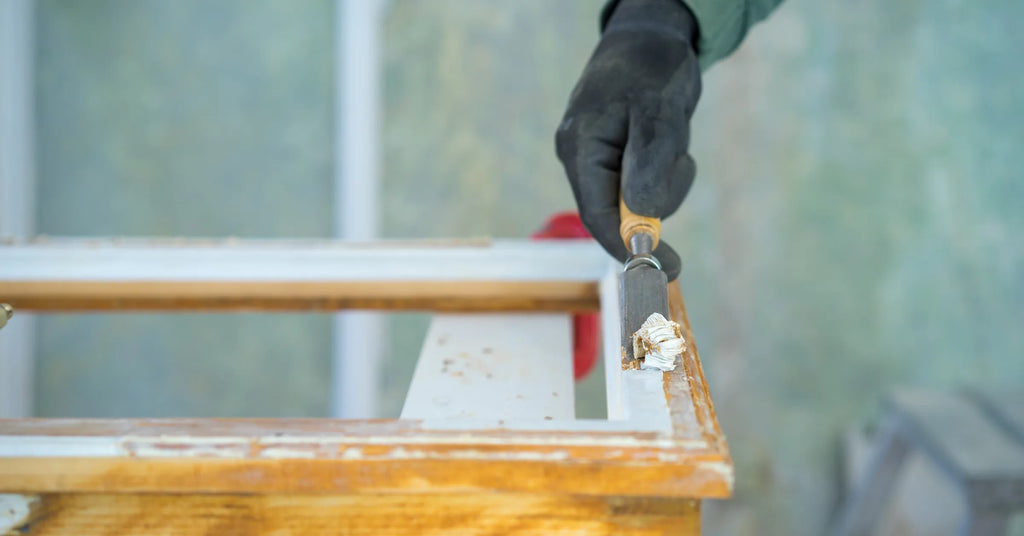
After choosing the right caulk, the next step is to prepare the area you want to apply the caulk. Preparing the work area ensures that nothing hinders the new caulk from adhering properly. You can prepare the work area for caulking with the following steps:
Loading a caulk gun is a necessary step when learning how to work a caulk gun . Here is a step-by-step guide on how to load a caulking gun for the first time :

The next step is to cut the tip of the caulk tube. Next, use scissors to cut the nozzle at an angle of 45 degrees , typically leaving a gap of approximately 1/8 to 1/4 inch . Cut the nozzle close to the tube to seal a large crack or gap, or trim it closer to the tip of the nozzle if you want to apply a small bead of caulk, typically leaving about 1/16 inch. Then, use a pin or utility knife to break the tube seal, typically requiring a slight puncture force of about 1 to 2 pounds of pressure.
Applying caulk requires that you learn how to release the caulk gun . Here is how to apply caulk effectively:

After applying the caulk, smoothen the caulk to make the distribution even. This process is called tooling. Here is how to smoothen the caulk:

This is the last step, and it is necessary to make your work look neat. Keeping your caulk job clean is as simple as the following steps:

If you used painter’s tape, remove the tape and clean the area with a dry cloth.
An excellent caulking job goes beyond getting the right caulk and knowing how to open caulk. As a Pro or DIY enthusiast, handling a caulk gun the right way is an essential skill. Here are tips for using a caulk gun like a Pro:

Before you start your caulking job, master how to use a caulking gun by practicing. Practice on a piece of wood with an empty or filled caulk tube. This will help you get familiar with how to control the flow of caulk, how to store open caulk tubes , how to stop caulk from coming out gun , etc.
Do not use too much pressure on the trigger when applying caulk. It can lead to uneven application and a messy caulk job. Instead, use a moderate and consistent amount of force to control the flow of the caulk along the gap or crack.
Maintain a consistent pace as you apply the caulk. This helps to make your caulk job look professional and clean.
Always keep a steady hand and apply the caulk in one continuous motion. Keeping a steady hand is also applicable when tooling; you can smear the caulk if you apply too much pressure.
When you get to the end of a crack, release the trigger. After releasing the trigger, pull the caulk gun away to stop excess caulk from coming out.
Simple mistakes like spilling caulk on the floor can happen to the best of us. However, there are common mistakes that should be avoided in order to produce an excellent job. These common mistakes include the following:

The disadvantages of using the wrong caulk are poor performance and durability. For example, using latex caulk for exterior applications is wrong because it cannot certain weather conditions.
Cutting the tip of the caulk tube wrongly will affect the control of the caulk. As a result, it can lead to excessive or inadequate caulk. Also, cutting the nozzle at a different angle other than 45 degrees can lead to uneven distribution of the caulk.
Applying too much caulk is a common mistake that can lead to poor caulking jobs. It makes the job messy and difficult to smooth. Always make sure to apply a small bead of caulk, as it is better to add more caulk than over-applying it.
Rushing the caulking process is another common mistake that should be entirely avoided. Applying caulk requires patience because rushing the process will lead to a messy job. When applying caulk, take your time, maintain a steady pace, and pay attention to details.
Tooling is an important aspect of applying caulk, and it must be addressed. The caulk job looks untidy and unprofessional when you do not smoothen it after application.
Without a doubt, using a caulk gun makes your caulking job easier and neat. However, learning how to use a caulk without gun will come in handy when you want to seal a small area or a caulk gun is out of reach. There are different ways to use caulk without a gun, depending on the type of caulk used.
Silicone caulks are used for different purposes, especially in areas prone to water, like bathrooms. They are sensitive to the skin, so it is important to wear vinyl gloves during application. Here is how to use a silicone sealant without gun :
Yes, you can use a caulk without a gun. However, caulk guns make the job neat and easier. Caulk guns help you achieve a smooth job by making it easier to aim and keep a steady pressure.
Caulk tubes are usually meant for a single application. Nevertheless, there are techniques for resuing caulk tubes.
Typically, it would take from 30 mins - 24 hours for the caulk to dry, depending on the type of caulk. For example, latex caulk would 30 mins to 1 hour to dry, while silicone caulk can take up to 24 hours. Therefore, it is advisable to allow the caulk to properly for at least 24 hours for complications.
Not all types of caulk are paintable. For example, latex caulk is paintable, which makes them suitable for interior applications, while silicone caulks are not paintable.
Using a caulk gun is an efficient way to seal holes and gaps around your home. As a beginner, it is important to know how to use caulk gun and how to load a caulk gun . Asides from knowing how to handle a caulk gun, choosing the right caulk for your project will help you get the most out of your caulking project.
Constant practice, steady hands, and a consistent pace are tips that can make your caulk project excellent. Cutting the caulk tube at the right angle and applying even pressure on the trigger are additional tips for a successful caulk job. With these tips, you can master how to release caulk gun , how to save caulk , and how to caulk hard-to-reach places just like a professional.
As a beginner, there are common mistakes that you should be avoided when applying caulk in your home. These mistakes include choosing the wrong caulk, over-applying the caulk, and rushing the application.
